Creating Dynamic Environments in Roblox: Using Physics and Animations to Enhance Immersion
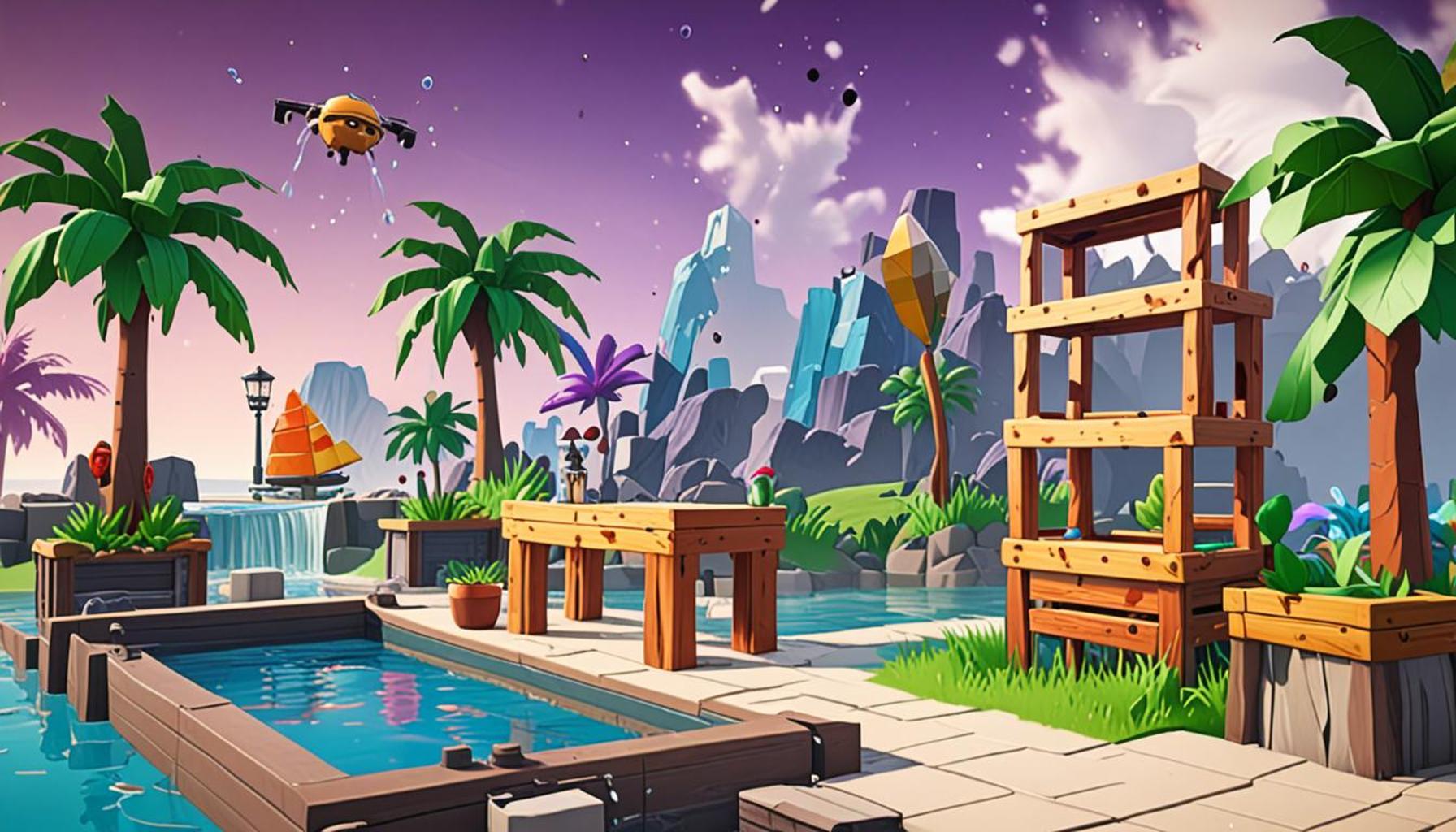
Exploring Dynamic Environments in Roblox
As game developers continue to push the boundaries of creativity in Roblox, the significance of dynamic environments becomes increasingly clear. Engaging players means crafting immersive worlds that react to their actions and moments of interaction. This delicate balance involves the seamless integration of physics and animations, wrapping players in a lively virtual realm. The landscape of Roblox is not just a backdrop; it is an integral part of the gaming experience that enhances player engagement and influences gameplay.
Dynamic environments can be defined by their core features, which make a setting significantly more engaging:
- Interactive Elements: Features in the game world that players can manipulate. For instance, in adventure games, players might move large boulders to access secret paths or build structures that assist in achieving objectives. These interactions can invite players to experiment and engage more deeply with the world around them.
- Realistic Physics: The presence of gravity effects, collisions, and natural reactions that lend credibility to the gaming experience. A striking example can be found in racing games where the terrain affects vehicle performance, creating varied strategies based on the player’s choice of route and vehicle type. These realistic physics make every action feel significant and immediate.
- Fluid Animations: Smooth character movements and environmental animations enhance the immersive quality of the game. For example, when players run through forests, their avatars might gently sway and react to the wind, while trees might rustle or bend, integrating the players into the simulated ecosystem.
Several popular examples of dynamic environments exist within Roblox that illustrate these features beautifully:
- In action games like “Phantom Forces,” chaotic battle arenas are filled with destructible objects, where players can blow apart buildings, leading to debris falling and altering the landscape, ultimately affecting gameplay strategies.
- Natural landscapes in survival games, such as “Survivor,” change based on player interaction; trees may topple when players cut them down, or rivers might change course based on flooding caused by players’ actions. This level of responsiveness fosters a sense of responsibility and ownership over the virtual landscape.
- Puzzles in games like “Escape Room” require intricate manipulation of the environment, where players must pull levers, push buttons, or move items in precise sequences to advance. Here, the environment becomes an active participant in the gameplay experience, challenging players to think creatively and strategically.
By harnessing these dynamic elements, developers on Roblox can create worlds that not only captivate players but also encourage exploration and foster creativity. As the platform continues to evolve, the integration of improved physics engines and sophisticated animation techniques promises to amplify the immersive experience further. Join us as we delve deeper into the mechanics of enhancing player immersion through engaging physics and slick animations in the ever-evolving universe of Roblox.
DISCOVER MORE: Click here to learn how collaborations can boost your profits
The Role of Physics in Enhancing Immersion
One of the primary components of creating dynamic environments in Roblox lies in the effective application of physics. The inclusion of realistic physics not only makes gameplay more engaging, but it also encourages players to think critically about their surroundings. When players feel that their actions have tangible consequences, it deepens their connection to the virtual world.
Physics engines in Roblox simulate real-world laws, allowing objects to interact in manners consistent with players’ expectations. For instance, consider a platformer game where players must jump across gaps. Should the player miss the jump, the physics engine will realistically portray their fall, perhaps with visual effects such as dust or debris, enhancing the experience. Moreover, these physics features can lead to surprising outcomes, such as causing a boulder to roll down a hill after being nudged, affecting gameplay and strategy.
The significance of physics extends beyond mere visual flair; it impacts gameplay mechanics that dictate player interactions. There are various ways developers can utilize physics to cultivate dynamic environments:
- Gravity Effects: Environments that respond to gravitational forces can create diverse challenges. As players navigate varying terrains, they must adapt to different levels of gravitational pull, enhancing the unpredictability of each encounter.
- Collision Mechanics: When players or objects collide, the outcome should reflect real-life physics. For example, a well-placed grenade in a shooter game can cause collateral damage, allowing players to exploit the environment tactically.
- Destructible Environments: Incorporating destructible objects allows players to reshape the landscape. In a game like “Natural Disaster Survival,” where players must navigate rapidly changing conditions, the ability to modify their surroundings heightens urgency and engagement.
- Fluid Dynamics: The implementation of flowing water, falling rain, or shifting sand adds a layer of realism. In games with a survival element, such as “Build A Boat For Treasure,” moving elements can impact navigation, introducing new strategies for players to consider.
This interplay between physics and gameplay mechanics is what sets apart ordinary game design from truly dynamic environments. When physics is expertly utilized, it invites players into a world that feels alive, prompting exploration and experimentation.
The Impact of Animations on Player Experience
Equally important in crafting immersive environments is the role of animations. The way characters and elements within the game move contributes significantly to the overall atmosphere. Smooth and fluid animations are essential for creating a believable world where players can easily lose themselves.
Subtle details in character animations can evoke emotion. For instance, a character that stumbles slightly while running over uneven terrain signals to players the inherent challenges of their environment. Furthermore, environmental animations—such as fluttering leaves or shifting clouds—serve to create the illusion of a living world. The more responsive and dynamic the animations, the more players feel like they are part of an intricate ecosystem instead of mere observers.
Integrating fluid animations involves careful attention to detail, from how characters breathe and emote to environmental interactions like waves crashing or fire flickering. These elements combined can significantly enhance a player’s immersion within the world of Roblox, creating not just a game but a captivating experience that draws in players long after they’ve left the game. Overall, employing both physics and animations can forge a gaming environment that feels genuinely dynamic, encouraging players to explore, experiment, and immerse themselves fully in the experience.
In creating immersive experiences within Roblox, leveraging physics and animations stands as a cornerstone for developers looking to enhance gameplay. By implementing real-world physics in game design, developers can create environments that react dynamically to player actions, thereby forging a more engaging interaction. For instance, when objects can be pushed, pulled, or toppled over, it mirrors the tangible movements in reality, captivating players and keeping them invested in the gaming experience.Moreover, animations play a crucial role in establishing character realism. Players are drawn to avatars that move fluidly and realistically, whether it’s performing acrobatics, emoting, or engaging in combat. Generating custom animations that reflect various actions not only boosts the aesthetic appeal but also elevates the player’s emotional engagement. The synchronization of character animations with in-game physics can further amplify the sense of immersion. For example, a character that stumbles when running uphill or reacts to environmental obstacles establishes a naturally dynamic gameplay loop.Roblox’s extensive library of physics tools enables creators to manipulate gravitational effects, collisions, and environmental interactions, making it easier to innovate within dynamic worlds. The ability to script events triggered by player interactions—such as opening doors or collapsing structures—creates opportunities for thrilling gameplay scenarios while enhancing realism. When players encounter a world that feels reactive, they are more likely to explore it fully, thereby fostering an enriching gaming environment.Ultimately, understanding the interplay between physical dynamics and character animations becomes imperative for developers eager to build immersive experiences. By mastering these elements, creators can not only capture the essence of realism but also encourage players to lose themselves in uniquely engaging dynamics. Each interaction becomes a part of a larger narrative woven into the game’s environment, compelling players to return again and again. To delve deeper into this subject, let’s take a look at the advantages of focusing on dynamic environments through a structured table.
| Advantages | Key Features |
|---|---|
| Realism | Creates a believable environment that players can relate to. |
| Player Engagement | Increases the time players spend exploring and interacting with the game. |
| Creative Freedom | Encourages innovative design concepts and imaginative storytelling. |
| Educational Value | Teaches players about physics through interactive experiences. |
This structured overview illustrates why understanding and implementing physics and animations is essential for developers pursuing a more captivating gaming experience in Roblox.
DON’T MISS: Click here to discover the latest methods!
Bridging Realism and Creativity Through Scripting
While physics and animations lay the groundwork for dynamic environments in Roblox, the integration of scripting further elevates the immersive experience. Roblox utilizes a powerful scripting language called LÖV, primarily Lua, which allows developers to introduce customized behaviors and interactions within their games. This flexibility enables the creation of not just reactive environments but worlds that envelop players in deeply engaging narratives and interactions.
For instance, developers can script environmental changes that correlate with player actions. Imagine a rainforest-themed game where the weather changes based on player pursuits; if players venture too far into the jungle, rain may start to pour, creating mudslides that alter traversable paths. This aspect of dynamic scripting captures the players’ attention and fosters a sense of agency, as they witness their actions influencing the game world in real-time.
Moreover, incorporating scripted events can enhance narrative depth. Contextual events, such as a sudden rumble before an earthquake or the ominous shadows of approaching storm clouds, serve to heighten tension and excitement. These immersive elements can be further complemented by sound design, creating an auditory landscape that resonates with players, whether it be the crackling of thunder or the distant howls of wildlife. As players fully engage with the environment, they become both the protagonists and architects of their unique adventure.
Leveraging Triggers and Localized Events
Localized events, made possible by scripting, provide another layer of interaction for players. Game developers can script specific triggers that activate when players enter certain areas. For instance, stepping into a volcanic zone could unleash a burst of lava animations, complete with sizzling sound effects and a gradual rise in temperature, prompting players to strategize and react quickly. These localized experiences create a vibrant sense of place, encouraging players to explore every nook and cranny of the game world.
Additionally, implementing interactive NPCs (non-playable characters) enriches the storytelling aspect of Roblox games. These characters, equipped with scripted dialogues and actions, can provide players with quests, tips, or lore about the environment. As players engage with NPCs through branching dialogue options, they feel a more profound connection to the game world, compelling them to delve deeper into the narrative.
The Importance of Community and Collaborative Development
Creativity in Roblox is often amplified through community collaboration. With the plethora of resources available, including community forums, tutorials, and asset libraries, developers can share innovative scripting techniques that enhance character animations and physical interactions. Collaborative projects often yield experiences that elevate gameplay to new heights, showcasing the power of collective creativity. Developers can learn from one another, experimenting with physics and animations to deliver truly unforgettable experiences.
Incorporating dynamic environments into Roblox is not merely a design choice; it is a commitment to crafting a holistic experience that captivates players. When harnessed effectively, physics, animations, and scripting work in harmony, creating a realm in which every corner invites exploration and active participation. As the platform grows, the potential for innovatively dynamic gaming experiences continues to expand, promising even more immersive adventures to come.
DON’T MISS: Click here to learn how to monetize your creations
Conclusion: Embracing the Future of Immersive Gameplay
In summary, the journey of creating dynamic environments in Roblox is an exciting fusion of physics, animations, and scripting that opens the door to endless possibilities. As we have explored, the intricate interplay between these elements not only helps formulate an engaging and interactive gaming experience but also serves to breathe life into virtual worlds, encouraging players to explore and influence their surroundings actively.
The capacity for developers to script unique events and localized interactions transforms the gaming landscape into an adaptive narrative space, allowing players to feel truly immersed in their quests. Moreover, the collaboration among developers within the community enriches this creative ecosystem, fostering innovation and experimentation that further enhances gameplay. By leveraging resources such as community forums and shared asset libraries, creators can draw inspiration from one another, leading to exceptional gaming experiences.
As the Roblox platform continues to evolve, the potential for crafting increasingly sophisticated and immersive environments grows exponentially. As developers push the boundaries of what is possible with physics and animations, players can look forward to more awe-inspiring adventures that challenge their creativity and adaptability. In the world of Roblox, the blend of realism and creativity promises not only to entertain but also to engage players in a way that makes each session memorable. The future of immersive gameplay is certainly bright, and the possibilities are boundless.
Related posts:
Creating Immersive Experiences: Game Design Tips on Roblox
Free Robux on Roblox Safe Updated Methods for 2025
Monetization in Roblox: How to Turn Creativity into Revenue
Narrative and Storytelling in Roblox Games: How to Engage Players Through Stories
Creating Attractive Environments: Level Design Tips for Games on Roblox
Collaboration and Community: The Role of Collaboration Among Developers in the Roblox Ecosystem